
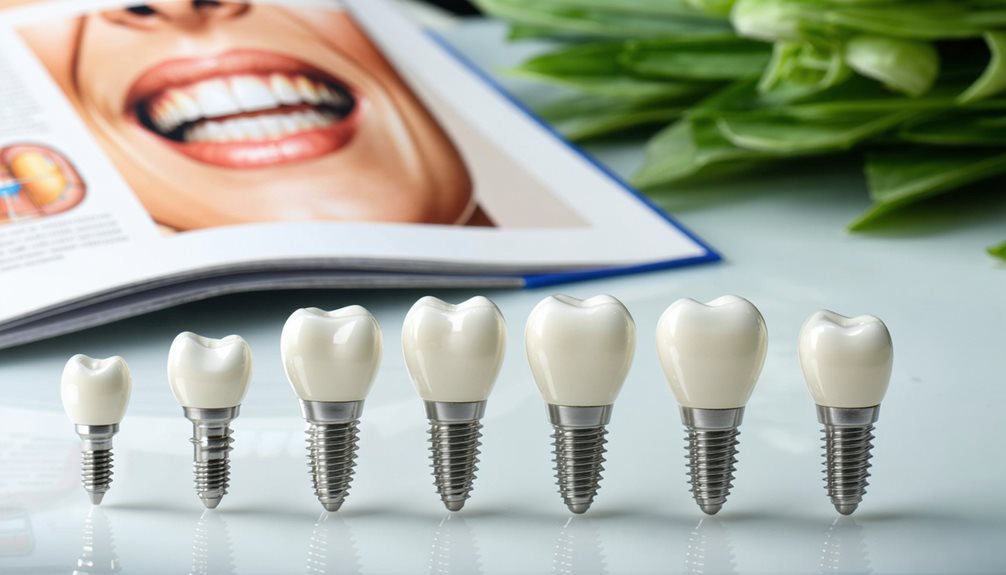
Dental implants offer advanced solutions for seniors, addressing the unique challenges of aging oral health. Endosteal and subperiosteal implants provide stable bases for teeth replacement, with innovations like zygomatic and mini implants offering alternatives for complex cases. All-on-4 implants provide full-arch restoration using four strategically placed implants, minimizing the need for bone grafting. Implant-supported dentures enhance stability over traditional options, reducing bone resorption. Mini dental implants offer a less invasive, cost-effective solution for those with reduced bone density. These options not only improve oral function but also bolster self-esteem and quality of life. Explore further to understand their full benefits.
Dental Implants Overview
Dental implants, a cornerstone in modern oral rehabilitation, involve the surgical placement of titanium posts into the jawbone to serve as artificial roots for missing teeth. This oral technology has revolutionized restorative dentistry by offering a stable foundation for prosthetic teeth, thereby integrating seamlessly into the oral environment.
The innovation in implant types, driven by advanced dental technology, provides versatile solutions tailored to individual anatomical and functional needs.
Implant types, classified primarily by their design and placement technique, include endosteal and subperiosteal implants. Endosteal implants are the most prevalent, characterized by their screw or blade-like structure directly placed into the bone. In contrast, subperiosteal implants rest on top of the jawbone and are often utilized when bone height is insufficient.
The evolution of dental technology has introduced variations such as zygomatic and mini implants, expanding treatment options for patients with complex anatomical challenges.
These developments are supported by evidence-based research demonstrating high success rates and longevity. The integration of computer-aided design and manufacturing (CAD/CAM) further enhances precision in implant fabrication and placement.
As dental technology advances, implant options continue to evolve, offering improved outcomes and patient satisfaction in oral rehabilitation.
Benefits for Seniors
As the landscape of dental implants continues to advance, their application becomes increasingly beneficial for senior patients who face unique oral health challenges. The innovative approach to tooth replacement offered by implants addresses the common issue of edentulism in seniors, which greatly impacts oral hygiene and overall health.
Unlike traditional dentures, dental implants provide a stable, durable solution that mimics the natural tooth structure. This stability is essential for efficient mastication and maintaining nutritional intake, which are often compromised in the senior population.
Moreover, dental implants play a pivotal role in preserving jawbone integrity. With age-related bone resorption, seniors are at risk of facial structure changes and diminished oral function. Implants stimulate the jawbone similarly to natural tooth roots, preventing bone atrophy and maintaining facial aesthetics.
This biological compatibility guarantees that seniors experience enhanced comfort and oral hygiene, as implants do not require the cumbersome adhesives or maintenance associated with removable dentures.
Additionally, the psychological benefits of improved self-esteem and quality of life cannot be understated. Seniors with implants often report heightened confidence in social settings, promoting mental well-being.
Collectively, these advancements underscore dental implants as a superior tooth replacement option, specifically tailored to the evolving needs of senior patients.
All-on-4 Implants
The All-on-4 implant system represents a notable advancement in restorative dental solutions for edentulous seniors, providing a practical and efficient method for full-arch rehabilitation. This innovative approach utilizes four strategically placed dental implants to anchor a full prosthetic arch. By positioning the posterior implants at an angle, the All-on-4 procedure maximizes existing bone structure, often eliminating the need for bone grafting. This technology-driven solution minimizes treatment time and enhances stability, offering a reliable option for those with diminished bone density.
Among the primary all on 4 advantages is the expedited treatment process, allowing for same-day teeth placement, which greatly reduces the overall timeline compared to traditional implant methods. In addition, the All-on-4 procedure is tailored to enhance esthetic outcomes and functional efficacy, restoring oral function and improving quality of life. Clinical studies have demonstrated high success rates, with long-term durability attributed to the biomechanical stability of the implant configuration.
Moreover, the All-on-4 system is cost-effective, reducing the number of implants needed while maintaining superior support for the prosthetic arch. This innovative solution not only addresses the challenges of full-arch tooth loss but also aligns with the growing demand for efficient, reliable, and minimally invasive dental care options for seniors.
Implant-Supported Dentures
Transforming oral care for seniors, implant-supported dentures offer a robust solution for those seeking enhanced stability and functionality over conventional dentures. Unlike traditional dentures, which rest on the gums and often require adhesives, implant-supported dentures are anchored securely to the jawbone using dental implants.
This technique not only improves the prosthetic’s retention but also supports the jawbone, mitigating resorption — a common issue with conventional dentures.There are various implant types utilized in this process, including endosteal implants, which are inserted directly into the jawbone, and subperiosteal implants that sit on the bone beneath the gum tissue.
Denture maintenance is paramount for the longevity and functionality of implant-supported dentures. Regular cleaning and professional check-ups are essential to prevent peri-implantitis, an inflammatory condition that can compromise the implants’ stability.
Innovations in material science have further refined these dentures, offering enhanced aesthetic and functional benefits. Evidence-based studies have demonstrated that implant-supported dentures considerably improve masticatory efficiency and speech, offering an improved quality of life for seniors. As a result, they represent a pivotal advancement in senior oral care solutions.
Mini Dental Implants
Mini dental implants (MDIs) present a viable option for senior patients due to their minimally invasive nature and reduced recovery time compared to conventional implants.
The procedure typically requires less bone density, making it particularly advantageous for older adults who may experience bone resorption.
Clinical studies have demonstrated that MDIs can greatly enhance prosthetic stability and oral function, leading to improved patient satisfaction and quality of life.
Benefits for Senior Patients
Adopting mini dental implants as a solution for senior oral care offers numerous advantages that cater specifically to the needs of older patients. One significant benefit is addressing affordability concerns. Mini dental implants are typically more cost-effective than traditional implants, providing a financially accessible option for many seniors.
This cost advantage is largely due to their smaller size and less invasive placement procedure, which often results in reduced chair time and fewer follow-up appointments. Consequently, seniors can achieve improved oral health without the financial burden associated with more extensive dental procedures.
In addition to affordability, mini dental implants enhance oral health by offering a stable foundation for dentures or crowns, which contributes to improved mastication and speech functions. Their minimally invasive nature also means that they require less bone density for implantation, making them suitable for older patients who may have experienced bone loss.
Furthermore, the likelihood of peri-implant disease is reduced due to the decreased surface area exposed to potential pathogens, thereby promoting long-term oral health maintenance. Collectively, these attributes reflect the innovative design of mini dental implants, which thoughtfully integrates the unique anatomical and financial considerations of senior patients into effective oral care solutions.
Procedure and Recovery Time
Understanding the benefits of mini dental implants sets the stage for exploring their procedure and recovery time, which are particularly advantageous for senior patients.
Mini dental implants offer a minimally invasive approach, characterized by reduced surgical complexity and shorter recovery timelines compared to conventional implants. The procedure involves the placement of titanium posts, typically requiring local anesthesia. This approach minimizes trauma to the bone and surrounding tissues, enhancing patient comfort and accelerating healing.
The recovery timeline for mini dental implants is especially expedited, often spanning just a few days.
Post operative care is essential and typically involves:
- Adherence to a soft diet**** to prevent undue stress on the implants.
- Routine oral hygiene practices to avert infection, including gentle brushing and antibacterial rinses.
- Monitoring for any signs of complications, such as persistent swelling or discomfort.
- Follow-up appointments to guarantee proper osseointegration and implant stability.
- Avoidance of tobacco products, as they can impede healing and integration.
This streamlined process is particularly suited to seniors seeking innovative solutions that reduce downtime and enhance quality of life.
Evidence suggests that the efficiency of mini dental implants considerably contributes to higher satisfaction rates and improved oral health outcomes.
Choosing the Right Dentist
Selecting an appropriate dental professional is critical for seniors evaluating oral implants, as it greatly influences the success and longevity of the treatment. A dentist’s qualifications should be meticulously evaluated, focusing on their educational background, specialized training in implantology, and certification from recognized dental boards. Advanced credentials often indicate a dentist’s commitment to staying abreast of the latest technological advancements and methodologies in the field.
In addition, patient reviews provide invaluable insights into the clinical proficiency and patient care standards maintained by the practitioner. Reviews can reveal a dentist’s reputation for innovation, empathy, and the ability to deliver personalized treatment plans.
In addition to qualifications and reviews, it is essential to reflect on a dentist’s experience with senior patients, as geriatric dentistry requires a nuanced approach to account for age-related oral health changes. Seniors should also inquire about the dentist’s use of cutting-edge tools and techniques, such as digital imaging and 3D printing, which can enhance the precision of implant placement.
Ultimately, choosing a dentist who combines robust qualifications, positive patient feedback, and a forward-thinking approach can greatly impact the efficacy and satisfaction of senior implant treatments, ensuring ideal oral health outcomes.
Frequently Asked Questions
How Long Is the Recovery Period After Getting Dental Implants?
The recovery period for dental implants typically ranges from three to six months. This healing timeline is influenced by factors such as bone density and adherence to post-surgery care protocols, ensuring ideal integration and function of the implant.
Are There Any Dietary Restrictions After Implant Surgery for Seniors?
After implant surgery, seniors should follow post-surgery nutrition guidelines, emphasizing soft food suggestions like pureed vegetables, yogurt, and protein shakes, to promote healing and reduce complications. This approach guarantees adequate nutrient intake while minimizing mechanical stress on healing sites.
Can Dental Implants Cause Allergies or Adverse Reactions?
Dental implants can potentially trigger allergy symptoms in individuals with metal sensitivity, particularly to titanium or other metals used in the implant alloy. However, such occurrences are rare, with evidence suggesting alternative materials to mitigate these reactions.
Are There Any Financing Options Available for Senior Dental Implants?
Financing plans and payment options for senior dental implants include structured installment agreements, healthcare credit cards, and specialized dental financing programs. These innovative solutions alleviate financial burdens, offering seniors access to advanced oral care with manageable monthly payments.
What Are the Common Signs of Implant Failure in Seniors?
Common implant complications in seniors include failure symptoms such as persistent pain, swelling, mobility, or infection at the implant site. Evidence-based assessments are essential for early detection and management, ensuring innovative solutions to maintain oral health integrity.
Conclusion
In exploring dental implant options for senior oral care, it is evident that various solutions cater to diverse needs. All-on-4 implants offer extensive support for those requiring complete arch restoration, while implant-supported dentures provide stability and functionality. Mini dental implants present a less invasive alternative for those with limited bone density. The decision-making process should involve a thorough evaluation by a qualified dentist to guarantee the chosen implant aligns with the individual’s oral health requirements and lifestyle considerations.

