
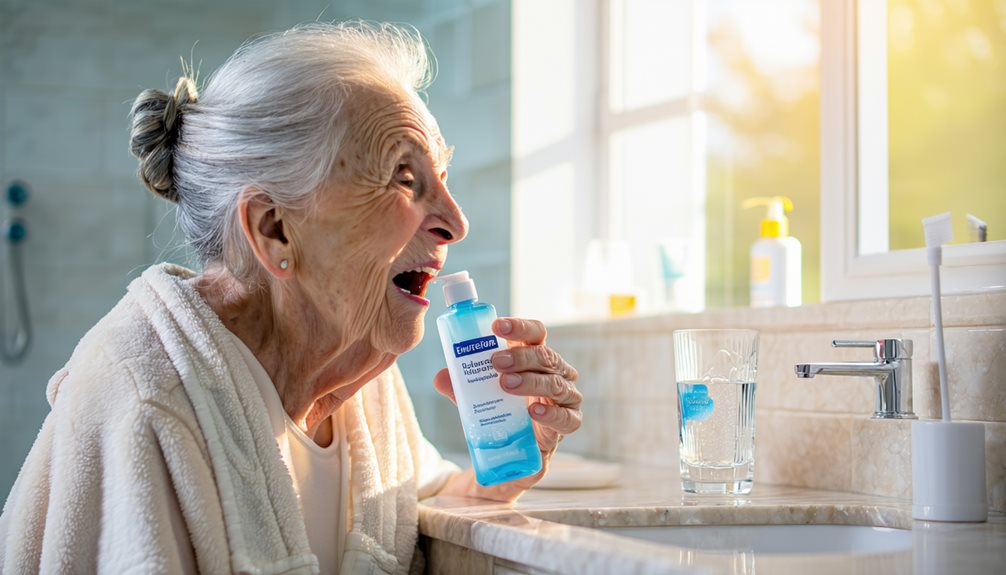
Effective management of dry mouth in seniors necessitates a multifaceted approach encompassing causes, symptoms, and thorough care strategies. Polypharmacy, systemic diseases, and radiation therapy are prominent causes. Symptoms include oral dryness, altered taste, and increased dental caries risk. Oral hygiene practices like using soft-bristled toothbrushes, fluoride toothpaste, and appropriate flossing techniques are essential. Dietary adjustments, including regular water intake and moisture-rich foods, support hydration. Professional treatments such as saliva substitutes and prescription medications enhance management. Selecting suitable dental products, such as alcohol-free mouth rinses, further aids in alleviating xerostomia. Exploration into innovative treatments offers promising insights.
Understanding Dry Mouth Causes
Dry mouth, or xerostomia, is a condition characterized by a decrease in saliva production, which can have multifactorial etiologies. The pathophysiology of xerostomia often involves an intricate interplay of various systemic and local factors. One of the predominant causes is medication side effects, where numerous pharmacological agents disrupt normal salivary gland function. Antihistamines, antidepressants, diuretics, and antihypertensives are particularly implicated in diminishing saliva production. These medications often alter autonomic pathways that regulate glandular output, resulting in reduced salivary flow.
In addition to medication-induced xerostomia, other potential etiological contributors include systemic diseases such as Sjögren’s syndrome, diabetes mellitus, and Parkinson’s disease. These conditions can impair salivary gland function either directly through autoimmune mechanisms or indirectly via neuropathological processes.
Moreover, radiation therapy targeting head and neck malignancies can irreversibly damage salivary gland tissues, drastically reducing saliva secretion.
Understanding these underlying causes is essential for developing innovative, targeted therapeutic strategies. Research efforts are increasingly focusing on the role of biotechnology in mitigating xerostomia, employing gene therapy, salivary gland tissue engineering, and novel pharmacological agents to restore ideal salivary function.
Such advancements hold promise for enhancing patient outcomes through tailored, evidence-based interventions.
Symptoms of Dry Mouth in Seniors
In seniors, dry mouth, or xerostomia, often results from polypharmacy, age-related physiological changes, and chronic conditions, which collectively compromise salivary gland function.
Common indicators of dry mouth in this demographic include persistent oral dryness, difficulty swallowing, altered taste perception, and increased dental caries risk.
Recognizing these symptoms is essential for early intervention and effective management strategies to enhance oral health and quality of life in older adults.
Causes of Dry Mouth
Frequently, xerostomia, more commonly known as dry mouth, arises as a result of decreased salivary gland function, which can be attributed to various underlying causes. Remarkably, medication side effects are a predominant factor, especially in the geriatric population, where polypharmacy is prevalent. Antihypertensives, antihistamines, antidepressants, and diuretics are among the numerous pharmacological agents that impede salivary secretion, leading to a reduction in oral moisture.
Each class of medication affects the autonomic pathways regulating salivation, resulting in a hypo-functional state of the salivary glands.
In addition to pharmaceutical influences, specific health conditions contribute substantially to the pathophysiology of xerostomia. Autoimmune disorders such as Sjögren’s syndrome directly target salivary glands, impairing their ability to produce saliva.
Additionally, systemic diseases like diabetes mellitus and Parkinson’s disease alter glandular function through metabolic and neurological pathways, respectively. Radiation therapy for head and neck cancers poses a unique risk, as it can cause irreversible damage to salivary tissues, further exacerbating dryness.
Understanding these multifaceted causes is essential for developing innovative interventions. Advancing therapeutic strategies that address the root causes of dry mouth will improve quality of life and oral health outcomes for seniors experiencing xerostomia.
Identifying Common Indicators
Among the geriatric population, the clinical manifestations of xerostomia are varied and often subtle, yet they greatly impact oral health and overall well-being. Reduced saliva production is a primary indicator, commonly resulting in a persistent dry or sticky sensation in the mouth.
This alteration in salivary flow can lead to difficulties in speaking, swallowing, and tasting, considerably affecting nutritional intake and quality of life. In addition, seniors may experience a burning sensation on the tongue, cracked lips, or a hoarse voice, symptoms that are frequently overlooked but are indicative of underlying salivary gland dysfunction.
Clinicians must consider lifestyle factors that exacerbate these symptoms, such as medication use, as many pharmaceuticals are known to diminish saliva production. Dehydration, often due to inadequate fluid intake or diuretic use, also plays a critical role.
Additionally, mouth breathing, especially during sleep, and consumption of alcohol or tobacco can further impair salivary flow. Understanding these indicators within the context of an individual’s lifestyle is essential for developing effective management strategies.
Innovative approaches, such as using salivary stimulants or modifying medication regimens, can considerably enhance the oral health outcomes for this vulnerable demographic.
Effective Oral Hygiene Practices
Effective oral hygiene practices are vital in managing dry mouth and preventing associated oral health complications.
Evidence suggests that utilizing proper brushing techniques, such as using a soft-bristled toothbrush and fluoride toothpaste, can greatly reduce plaque accumulation.
Additionally, regular flossing is essential for disrupting interproximal plaque biofilm and maintaining ideal periodontal health.
Proper Brushing Techniques
Maintaining ideal oral hygiene is essential in managing dry mouth, and employing proper brushing techniques plays an important role. Research indicates that best brushing frequency—twice daily—ensures effective removal of plaque and bacteria, mitigating xerostomia-related complications.
Careful consideration of toothbrush selection is vital; soft-bristled toothbrushes are recommended to minimize abrasion and protect enamel integrity, particularly in older adults where enamel wear is prevalent.
Innovative designs, such as electric toothbrushes with oscillating-rotating technology, have demonstrated superior efficacy in plaque removal compared to manual options. Such advancements can enhance adherence to oral care routines, particularly for seniors facing dexterity challenges.
Additionally, the incorporation of toothpaste formulated with fluoride and moisture-retaining agents can offer additional protection and comfort for individuals experiencing dry mouth symptoms.
Clinicians should advise patients on the significance of gentle, circular brushing motions for thorough cleaning without compromising gingival health. Emphasizing the role of tongue cleaning in reducing halitosis and fostering an oral environment less conducive to bacterial proliferation is also significant.
Regular Flossing Importance
Regular flossing emerges as a vital component in effective oral hygiene practices, greatly contributing to the management of dry mouth. As saliva production diminishes, plaque accumulation becomes a significant concern, exacerbating oral discomfort and potential decay. Implementing ideal flossing techniques holds the potential to considerably mitigate these risks.
The mechanical action of flossing dislodges food particles and biofilm from interdental spaces, areas that toothbrushes often fail to reach. This process is essential for individuals experiencing xerostomia, as it compensates for the reduced natural cleansing effect of saliva.
The benefits of flossing extend beyond mere plaque removal. Evidence suggests that consistent flossing may reduce gingival inflammation, thereby decreasing periodontal disease risk—a common complication in dry mouth sufferers.
Innovative flossing tools, such as water flossers and interdental brushes, present alternative methods to enhance interdental cleaning efficacy, catering to patients who may struggle with traditional flossing techniques due to dexterity issues.
Furthermore, the integration of flossing into daily oral care routines can enhance the overall effectiveness of other oral hygiene practices. By maintaining interdental cleanliness, flossing guarantees that fluoride from toothpaste can better penetrate and protect tooth enamel, consequently fortifying the oral cavity against the challenges posed by dry mouth.
Dietary Tips for Moisture Retention
A well-structured diet plays a vital role in managing xerostomia, commonly known as dry mouth, by promoting moisture retention.
An evidence-based approach to dietary management involves strategic hydration strategies and the incorporation of moisture-rich foods.Recent studies suggest that consuming small amounts of water frequently is more effective than large infrequent intakes, as it sustains oral hydration without overwhelming renal function.
Incorporating moisture-rich foods such as cucumbers, watermelon, and celery can greatly enhance oral moisture levels. These foods, characterized by high water content, not only contribute to hydration but also stimulate salivary glands due to their crunchy texture, potentially mitigating xerostomia symptoms.
Dairy products, particularly yogurt and milk, have been shown to possess protective qualities against dry mouth due to their inherent moisture content and the presence of casein proteins, which may promote salivary secretion.
Moreover, limiting the consumption of diuretics like caffeine and alcohol is essential, as these substances exacerbate dehydration.
Emphasizing a diet rich in these innovative hydration strategies can greatly ameliorate dry mouth symptoms, improving overall oral health in senior populations.
Professional Treatments and Solutions
Beyond dietary modifications, addressing dry mouth often necessitates professional interventions to effectively manage symptoms and enhance quality of life. One primary approach involves the use of saliva substitutes. These artificial salivas mimic the lubricating properties of natural saliva and are formulated with ingredients such as carboxymethylcellulose or hydroxyethylcellulose. Research indicates these substitutes can considerably alleviate xerostomia symptoms, thereby improving oral comfort and functionality.
In parallel, prescription medications are often employed to stimulate salivary gland function. Agents such as pilocarpine and cevimeline are muscarinic agonists that have demonstrated efficacy in enhancing salivary output. Clinical trials have shown these medications to be particularly beneficial in patients with Sjögren’s syndrome and post-radiation therapy xerostomia. Their mechanism involves the stimulation of M3 muscarinic receptors, leading to increased exocrine gland secretion.
Moreover, innovative techniques such as low-level laser therapy are emerging as promising adjuncts. This modality potentially enhances salivary flow through photobiomodulation, offering a novel, non-invasive treatment avenue.
It is imperative for clinicians to tailor interventions based on individual patient needs and underlying etiologies, ensuring thorough management of this complex condition.
Choosing the Right Dental Products
Selecting appropriate dental products is vital for individuals experiencing dry mouth to maintain oral health and comfort. The clinical focus should be on products that enhance salivary flow and offer moisture retention. Research indicates that toothpaste and mouth rinses containing natural ingredients such as xylitol, aloe vera, and licorice root extract can effectively stimulate salivary glands while being gentle on sensitive oral tissues.
These components are known for their soothing properties and minimal adverse reactions, making them suitable for long-term use. In terms of flavor preferences, it is important to choose dental products that align with the patient’s taste, as this can improve compliance and consistency in oral care routines.
Mint and mild fruit flavors are often well-tolerated and can enhance the overall sensory experience without overwhelming those with heightened sensitivity due to xerostomia. Additionally, alcohol-free formulations are recommended to prevent exacerbation of dryness.
Innovative dental care products, such as those with bioactive peptides and remineralizing agents, are emerging as promising adjuncts in managing dry mouth. These advancements not only address symptomatic relief but also contribute to the prevention of dental caries and maintenance of oral hygiene in the elderly population.
Frequently Asked Questions
Can Stress Contribute to Dry Mouth in Seniors?
Stress can exacerbate dry mouth in seniors, with anxiety effects playing a significant role. Implementing effective stress management techniques may mitigate these symptoms, as evidence suggests a direct correlation between psychological stressors and reduced salivary flow rates.
Are There Any Natural Remedies for Dry Mouth?
Natural remedies for dry mouth include honey, known for its antimicrobial benefits, and aloe vera, recognized for its soothing properties. Both have demonstrated potential in maintaining oral moisture, offering innovative, evidence-based alternatives for managing xerostomia symptoms.
How Does Dehydration Affect Dry Mouth in the Elderly?
Dehydration exacerbates dry mouth in the elderly by reducing salivary flow. Implementing effective hydration tips in elderly care, such as regular water intake and monitoring fluid balance, can alleviate symptoms, promoting oral health and overall well-being.
Do Certain Medications Exacerbate Dry Mouth Conditions?
Certain medication types, including antihistamines, antihypertensives, and antidepressants, can exacerbate dry mouth conditions due to their side effects. These medications may reduce salivary gland activity, necessitating innovative approaches to manage and mitigate these adverse effects effectively.
Is Dry Mouth Associated With Other Age-Related Health Issues?
Dry mouth is often linked to age-related health issues, as diminished salivary function correlates with age factors. This condition impacts oral health, potentially exacerbating periodontal disease and dental caries, necessitating innovative preventive and therapeutic strategies.
Conclusion
Effective management of dry mouth in seniors necessitates a thorough understanding of its causes and symptoms, alongside implementing targeted oral hygiene practices. Dietary adjustments that promote moisture retention play an essential role, as does the selection of appropriate dental products. Professional treatments, including saliva substitutes and medications, should be considered when necessary. By integrating these strategies, oral health professionals can greatly mitigate the adverse effects of dry mouth, thereby enhancing the overall oral health and quality of life for senior patients.

