
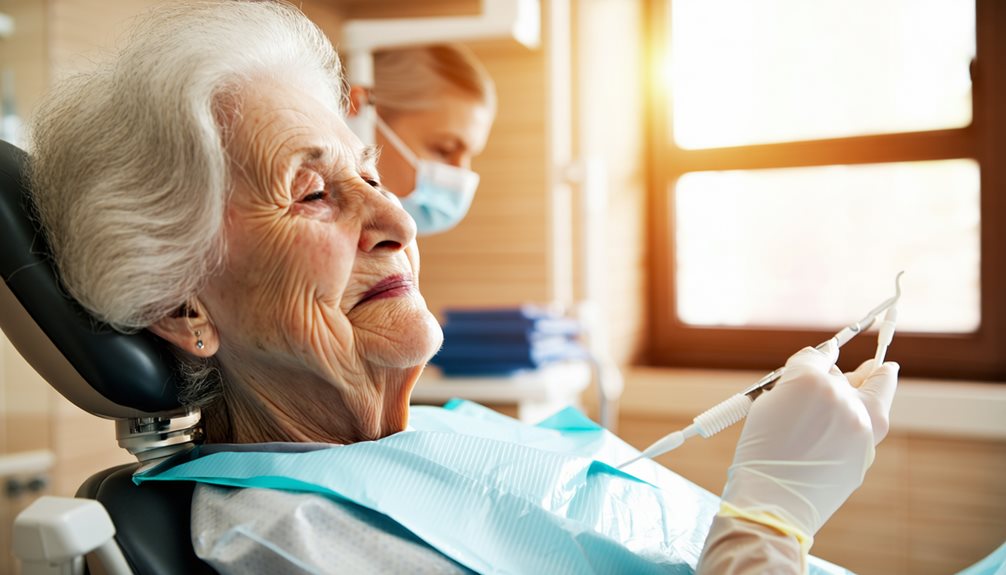
Prioritizing sedation in senior oral health is essential for addressing the multifaceted needs of elderly patients. Effective sedation minimizes procedural pain and anxiety, thereby enhancing patient comfort and cooperation. It enables precise execution of intricate dental procedures by reducing patient movement, thereby optimizing treatment outcomes. Personalized sedation plans, developed through meticulous health assessments, cater to the unique medical histories and comorbidities often present in the geriatric population. This targeted approach not only guarantees safety but also aligns with modern patient-centered care. By exploring the role of sedation, one can better understand its significance in geriatric dentistry.
Importance of Comfort
Guaranteeing comfort is a critical component in the oral healthcare of seniors, as it directly influences their willingness to engage in necessary dental procedures. The importance of comfort cannot be overstated, given the physiological and psychological changes that accompany aging.
Employing evidence-based comfort strategies tailored to patient preferences is vital in optimizing treatment outcomes for this demographic. Personalized approaches, such as ergonomic dental chairs and adjustable lighting, can greatly enhance the clinical setting, thereby alleviating common discomforts experienced by seniors during dental visits.
To further improve comfort, practitioners may consider the integration of minimally invasive techniques and state-of-the-art technology. For instance, laser dentistry and digital impressions can replace traditional methods that often provoke discomfort.
Understanding patient preferences is paramount, as it guarantees that interventions are not only clinically effective but also aligned with individual needs and expectations. By fostering a patient-centered environment, dental professionals can increase treatment adherence and improve overall satisfaction.
Moreover, ongoing education and training in geriatric dentistry can equip clinicians with the skills necessary to implement innovative comfort strategies. As the demand for senior oral healthcare continues to rise, prioritizing comfort will remain a pivotal aspect of advancing practice standards.
Managing Dental Anxiety
Comfort in dental care is closely intertwined with the effective management of dental anxiety, particularly in the senior population. Elderly patients often present with heightened dental phobia, a condition characterized by intense fear, which may have profound implications for oral health outcomes. Innovative approaches to managing this anxiety can remarkably enhance compliance and improve overall health status among seniors.
-
Personalized Communication: Establishing rapport with elderly patients through tailored communication strategies can mitigate dental phobia. Clinicians should employ empathetic listening techniques and provide clear explanations of procedures to alleviate fears.
-
Cognitive Behavioral Techniques: Evidence supports the efficacy of cognitive behavioral therapy (CBT) in reducing anxiety levels. By restructuring negative thought patterns, CBT can effectively address the root causes of dental phobia.
-
Sedation Dentistry: Employing sedation can be an innovative solution, allowing procedures to be performed while minimizing psychological distress. Various sedation levels, from mild anxiolytics to deeper sedation, can be tailored to individual needs.
-
Environmental Modifications: Alterations in the clinical setting, such as soothing music or aromatherapy, can create a calming atmosphere, consequently reducing anxiety in elderly patients.
Each of these strategies serves as a demonstration of the importance of innovative solutions in addressing dental phobia and enhancing the oral health care experience for senior patients.
Minimizing Pain and Discomfort
For many elderly patients, minimizing pain and discomfort during dental procedures is paramount to guaranteeing successful oral health outcomes. Pain relief and comfort techniques are critical in addressing the unique challenges faced by this demographic.
As individuals age, physiological changes can alter pain perception and increase sensitivity to oral health interventions. Consequently, innovative pain management strategies are vital to cater to the specific needs of senior patients.
Evidence-based approaches, such as local anesthetics and non-opioid analgesics, have been shown to effectively manage procedural pain. Additionally, advances in comfort techniques, including the use of topical gels and desensitizing agents, contribute considerably to enhancing patient experience.
Sedation, tailored to the patient’s health status, further alleviates anxiety and discomfort, facilitating a more relaxed and tolerable procedure.
The incorporation of advanced technologies, such as laser dentistry, offers minimally invasive alternatives that promote rapid healing and reduced postoperative discomfort.
Moreover, interdisciplinary collaboration, including consultation with geriatric specialists, guarantees thorough assessments and personalized pain management plans.
Enhancing Procedure Safety
A significant aspect of enhancing procedure safety for senior patients in dental care involves meticulous assessment and preparation tailored to individual needs.
Rigorous evaluation of the patient’s medical history and current health status is essential to determine appropriate sedation options, thereby minimizing potential risks. Advanced patient monitoring technology plays an essential role in maintaining safety standards, providing continuous assessment of critical signs and ensuring timely intervention if complications arise.
To effectively enhance safety, consider the following steps:
-
Comprehensive Health Assessment: Detailed evaluation of the patient’s systemic conditions, allergies, and current medications to identify contraindications to sedation.
-
Customized Sedation Plan: Selection of sedation options should be based on the individual’s health profile, procedural complexity, and personal comfort levels, ranging from minimal sedation to general anesthesia.
-
State-of-the-Art Monitoring: Employ cutting-edge patient monitoring devices that allow for real-time tracking of physiological parameters, ensuring rapid response to any deviations from the norm.
-
Multidisciplinary Collaboration: Engage a team of healthcare professionals, including anesthesiologists and geriatric specialists, to collaboratively develop and implement the safest sedation strategies.
Prioritizing these elements not only safeguards the patient’s well-being but also fosters a culture of safety and innovation in senior oral healthcare.
Improving Treatment Outcomes
Implementing sedation strategies in senior oral health care can greatly reduce patient anxiety levels, thereby facilitating a more conducive environment for dental procedures.
This reduction in anxiety not only improves patient cooperation but also enhances procedural efficiency, leading to more precise and successful treatment outcomes.
Evidence suggests that when anxiety is effectively managed, clinicians can perform more thorough and timely interventions, ultimately benefiting the overall oral health of elderly patients.
Reducing Anxiety Levels
Managing anxiety levels in senior patients is essential for enhancing the efficacy of oral health treatments. Anxiety triggers, such as fear of pain and unfamiliarity with dental procedures, can greatly impede successful outcomes. Implementing targeted relaxation techniques is imperative to mitigate these concerns. Evidence-based strategies have shown promise in reducing anxiety, thereby improving patient compliance and procedural success.
-
Identifying Anxiety Triggers: A thorough assessment of potential anxiety triggers is important.
Recognizing specific fears allows clinicians to tailor interventions that directly address patient concerns.Related Content -
Utilizing Relaxation Techniques: Incorporating relaxation techniques, such as guided imagery or progressive muscle relaxation, can facilitate a calming environment.
Such methods are particularly effective in reducing physiological arousal associated with anxiety.This may also be of interest to you -
Patient Education: Providing detailed information about procedures can demystify the dental experience. Educated patients are more likely to feel in control, reducing anxiety and enhancing cooperation during treatments.
-
Sedation Options: While non-pharmacological approaches are beneficial, sedation remains a viable option for patients with severe anxiety. Sedation can offer immediate relief from anxiety, allowing for more efficient and stress-free dental procedures.
An innovative approach to managing anxiety in senior oral health can lead to improved treatment adherence, patient satisfaction, and overall oral health outcomes.
Enhancing Procedure Efficiency
Addressing anxiety effectively is integral to enhancing the efficiency of dental procedures in senior patients. Sedation dentistry, by mitigating anxiety, greatly optimizes procedure techniques and fosters patient cooperation, ultimately improving treatment outcomes.
In the geriatric population, where comorbidities and cognitive decline may complicate dental care, sedation serves as a pivotal adjunct. It enables clinicians to perform intricate procedures with precision while minimizing patient movement and discomfort, thereby reducing procedural time and enhancing overall efficiency.
Sedation not only facilitates a tranquil environment but also empowers dental professionals to employ advanced procedure techniques without interruption. This is particularly beneficial in complex cases requiring prolonged chair time or multiple interventions, where patient cooperation is paramount.
Empirical evidence suggests that sedation enhances the clinician’s capacity to maintain a steady workflow, thereby streamlining the treatment process and facilitating superior outcomes.
Moreover, sedation aligns with the evolving preferences of innovative dental practices aiming to integrate cutting-edge techniques while prioritizing patient-centered care. By addressing anxiety and enhancing procedural efficiency, sedation contributes to a holistic approach in senior oral health, ensuring that treatments are not only effective but also delivered with enhanced precision and patient satisfaction.
Personalized Sedation Solutions
In the domain of senior oral health care, tailored sedation solutions play an essential role in optimizing patient outcomes and enhancing the quality of dental procedures. The elderly population often presents with unique physiological and psychological considerations, necessitating a personalized approach to sedation.
Tailored sedation addresses patient preferences, ensuring comfort while minimizing anxiety and potential adverse effects. By evaluating individual health profiles and procedural requirements, dental professionals can implement sedation strategies that align with the specific needs of senior patients.
Innovative approaches to personalized sedation include:
-
Comprehensive Assessment: Conducting thorough evaluations of medical histories and current medications to identify potential sedation-related risks.
-
Patient-Centered Dialogue: Engaging in discussions with patients to understand their sedation preferences and anxieties, enhancing their sense of control and cooperation.
-
Sedation Modality Selection: Choosing appropriate sedation types—such as nitrous oxide, oral sedatives, or intravenous options—based on the patient’s health status and procedural complexity.
-
Monitoring and Adjustments: Utilizing advanced monitoring technologies to dynamically adjust sedation levels, ensuring safety and efficacy throughout the procedure.
These personalized sedation solutions not only foster a more comfortable experience for senior patients but also contribute to the advancement of geriatric dental care, reflecting a commitment to precision and innovation.
Frequently Asked Questions
What Are the Common Types of Sedation Used in Senior Oral Health?
The common types of sedation in senior oral health include oral sedation and nitrous oxide. Oral sedation involves administering benzodiazepines, promoting relaxation, while nitrous oxide offers rapid anxiolytic effects, enhancing patient comfort and compliance during dental procedures.
How Does Sedation Affect Recovery Time After Dental Procedures in Seniors?
Sedation techniques in senior dental care can enhance recovery benefits by minimizing stress and discomfort during procedures. This reduction in physiological strain potentially accelerates healing, offering a progressive approach to improving postoperative outcomes for elderly patients.
Are There Any Potential Risks Associated With Sedation for Seniors?
Sedation safety in elderly health is vital, as potential risks include respiratory depression, cardiovascular instability, and prolonged recovery. Innovations in pharmacology and monitoring technologies are necessary to mitigate these risks and guarantee safe dental procedures for senior patients.
How Is Sedation Administered to Senior Patients During Dental Treatments?
Sedation in senior dental treatments is administered via inhalation sedation, utilizing nitrous oxide for mild relaxation, or intravenous sedation, providing deeper sedation levels. Both methods are tailored to individual needs, ensuring safety and comfort while minimizing anxiety.
Can Sedation Be Covered by Dental Insurance for Senior Patients?
The extent of insurance coverage for sedation in dental treatments for seniors varies considerably. Coverage often depends on individual policies, with some plans recognizing sedation as essential for managing dental anxiety, and so potentially reimbursing associated costs.
Conclusion
Prioritizing sedation in senior oral health is essential for ensuring comfort, managing dental anxiety, and minimizing pain and discomfort. Sedation enhances procedure safety by reducing stress-related risks and improves treatment outcomes by allowing for more thorough dental care. Employing personalized sedation solutions tailored to individual needs optimizes therapeutic efficacy and patient compliance. Evidence supports the integration of sedation into treatment protocols to address the unique physiological and psychological challenges faced by the geriatric population in dental settings.

