
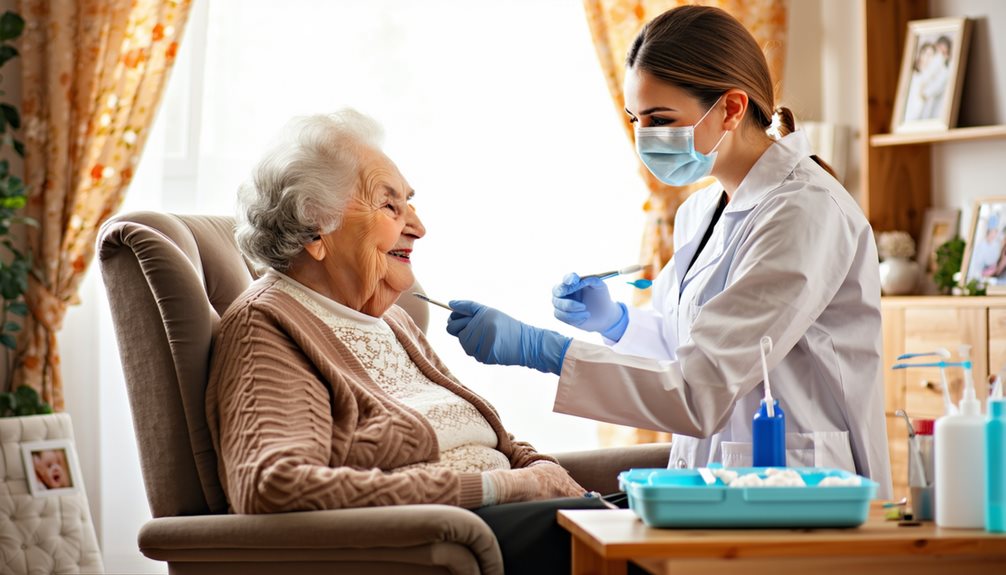
Home visit options for senior oral care offer a clinical approach to overcoming mobility and transportation barriers, ensuring accessibility to dental services within their residence. These visits include thorough services such as restorative care, digital diagnostics, and personalized preventive treatments. With portable equipment, geriatric dentists can effectively manage age-specific conditions, enhancing outcomes and patient comfort. Flexible scheduling and telehealth consultations further accommodate seniors’ needs, reducing systemic health risks associated with poor oral hygiene. Understanding insurance plans and payment options is essential for financial management. Continue to explore how these services can be tailored to individual needs for ideal oral health.
Importance of Home Dental Visits
Home dental visits play a pivotal role in maintaining and improving oral health care for seniors, who often face barriers in accessing traditional dental services. The integration of mobile dental care solutions enhances dental accessibility, thereby addressing the unique needs of an aging population.
Seniors frequently encounter challenges such as limited mobility, transportation difficulties, and complex medical conditions, which can hinder their ability to receive regular dental care. By delivering dental services directly to the patient’s residence, home visits considerably reduce these barriers, fostering home comfort and continuity in oral health management.
Clinical studies have demonstrated that seniors receiving home-based dental care exhibit improved oral health outcomes, including reduced incidence of dental caries and periodontal disease. This personalized approach not only facilitates timely interventions but also empowers patients and caregivers through education and tailored preventative strategies.
Additionally, the home environment allows for a thorough assessment of potential oral health risk factors associated with dietary habits and daily oral hygiene practices.
Incorporating innovative technologies, such as portable dental equipment and digital health records, enhances the efficacy of home dental visits. Such advancements guarantee that practitioners can deliver high-quality care with precision, ultimately promoting ideal oral health and quality of life for senior patients.
Services Offered at Home
Delivering extensive dental care in residential settings involves a range of specialized services designed to meet the diverse needs of senior patients. Mobile dental units are equipped with advanced technology to provide thorough oral health services directly at home. These services encompass diagnostic assessments, including digital X-rays and intraoral imaging, which facilitate precise evaluation of oral conditions.
Mobile dental teams are trained to deliver preventive care such as professional cleanings and fluoride treatments, tailored to the unique oral health status of each patient. The provision of personalized care is paramount in addressing the intricate oral health challenges often faced by seniors. Customized treatment plans are developed, taking into account the patient’s medical history, current medications, and specific dental needs.
Restorative services, such as fillings and denture maintenance, are meticulously performed using portable equipment to guarantee continuity of care without compromising quality. Additionally, mobile dental services include the management of periodontal disease, a prevalent concern among the elderly, utilizing evidence-based protocols to mitigate progression.
Choosing the Right Dentist
Selecting an appropriate dentist for senior oral care necessitates a focus on practitioners with demonstrable experience in geriatric dentistry, ensuring they are well-versed in the unique challenges presented by this demographic.
Flexible appointment scheduling is critical, as it accommodates the varying mobility and health needs of senior patients, thereby facilitating more consistent oral health management.
Additionally, opting for a dentist who offers specialized oral care services, such as periodontal maintenance and denture adjustments, can greatly enhance the quality of care provided during home visits.
Experience With Senior Patients
When considering dental care for senior patients, the dentist’s experience in geriatric dentistry is paramount. Expertise in geriatric dental care involves understanding the unique physiological changes and oral health challenges that accompany aging. A seasoned geriatric dentist can adeptly address conditions such as xerostomia, periodontal disease, and root caries, which are prevalent in older adults.
Additionally, an evidence-based approach enables the dentist to tailor interventions that enhance patient comfort, essential for this demographic frequently facing co-morbidities and limited mobility.
A dentist proficient in treating senior patients will prioritize minimally invasive techniques, leveraging advancements in restorative materials and technologies. These innovations not only improve the longevity of dental restorations but also minimize discomfort and reduce treatment time—factors vital for enhancing patient adherence and satisfaction.
Clinical studies underscore the importance of effective communication, as it fosters trust and facilitates the management of dental anxiety, which is often pronounced among elderly patients.
Flexible Appointment Scheduling
For senior patients seeking ideal oral care, flexible appointment scheduling is a critical factor in choosing the right dentist. As mobility issues and health concerns can impede regular dental visits, innovative scheduling options become essential.
Dentists offering telehealth consultations and remote monitoring provide a patient-centered approach, guaranteeing continuity of care without compromising quality.
This flexibility can greatly enhance patient satisfaction and adherence to oral health regimens.To effectively implement flexible scheduling, consider the following:
-
Telehealth Consultations: Leveraging digital platforms allows for virtual check-ups, enabling seniors to receive expert advice without the need for physical travel. This guarantees timely interventions and prevents the escalation of oral issues.
-
Remote Monitoring Technologies: Integration of advanced tools such as intraoral cameras and wearable sensors facilitates ongoing assessment of oral health conditions, offering real-time data that guides treatment plans.
-
Customized Scheduling Practices: Offering a range of appointment times, including evenings and weekends, accommodates varying needs and preferences, thereby removing barriers to accessing care.
Incorporating these elements within a dental practice not only aligns with contemporary healthcare innovations but also addresses the unique needs of senior patients.
Specialized Oral Care Services
Steering through the complexities of senior oral health care requires choosing a dentist who specializes in geriatrics, offering targeted services that address age-specific dental issues.
Geriatric dentistry encompasses a thorough understanding of the physiological changes associated with aging, such as reduced salivary flow, increased medication use, and higher susceptibility to periodontal disease. Selecting a practitioner proficient in this specialty guarantees that the unique oral health challenges faced by seniors are managed with precision and evidence-based interventions.
Innovative advancements in mobile clinics are reshaping accessibility to geriatric dentistry, delivering quality care directly to the patient’s residence.
These clinics are equipped with cutting-edge technology and tools, enabling dentists to perform a range of procedures—from routine cleanings to complex restorative work—without the need for patients to visit a traditional dental office.
Mobile clinics not only enhance convenience but also minimize the physical strain and logistical challenges often encountered by elderly individuals with mobility issues.
Incorporating geriatric-specific diagnostic tools and personalized care plans, these specialized services facilitate early detection and management of dental conditions, improving overall health outcomes.
Benefits for Seniors
Access to extensive oral healthcare services through home visit options offers numerous benefits for the senior population, particularly in enhancing their overall health and quality of life. These benefits are rooted in improved oral hygiene practices, which are essential for preventing common dental issues such as periodontal disease and tooth decay.
The integration of regular professional care at home guarantees a thorough approach to maintaining oral health, which is critical in reducing the risk of systemic health conditions linked to poor oral hygiene, such as cardiovascular diseases and respiratory infections.
-
Personalized Care: Home visits allow clinicians to tailor oral care routines specific to the individual needs of seniors, accounting for any physical or cognitive limitations that may impact their ability to maintain proper oral hygiene.
-
Convenience and Accessibility: By bringing services directly to their residence, seniors experience reduced barriers to care such as transportation difficulties, ultimately increasing their adherence to recommended oral health regimens.
-
Preventive Health Benefits: Regular monitoring and maintenance of oral health by professionals can lead to early detection and management of potential oral health problems, thereby minimizing the incidence of severe complications and promoting overall health benefits.
Incorporating home visit options represents an innovative strategy to optimize oral care delivery for the elderly, guaranteeing their health and well-being are prioritized effectively.
Insurance and Payment Options
Charting insurance and payment options is critical for optimizing access to home-based oral care services for seniors.
Evidence indicates that coverage for dental services varies greatly among insurance providers, necessitating a thorough understanding of policy-specific benefits.
Additionally, implementing flexible payment plans can mitigate financial barriers, thereby enhancing the feasibility of regular oral health maintenance for the aging population.
Coverage for Dental Services
Understanding the complexities of insurance and payment options is essential for ensuring access to crucial dental services for seniors receiving home visits. Dental insurance plays a critical role in facilitating service coverage, yet the intricacies of these policies often present challenges. Coverage for dental services in home care settings varies greatly across different insurance plans, requiring a thorough examination of each policy’s specifics to optimize the benefits available to seniors.
-
Policy Limitations: Many dental insurance plans offer limited coverage for home visit dental services, emphasizing the necessity for thorough understanding of any exclusions or restrictions within the policy.
-
Medicare and Medicaid: While traditional Medicare does not typically cover routine dental care, certain Medicare Advantage plans may include additional dental benefits. Medicaid coverage, on the other hand, varies by state and may offer more extensive options for seniors, particularly those with lower incomes.
-
Innovative Coverage Solutions: Emerging insurance models are incorporating telehealth and mobile dentistry, expanding service coverage and accessibility for homebound seniors.
These innovative solutions not only enhance preventive care but also reduce the need for emergency interventions.
Flexible Payment Plans
Recognizing the financial constraints faced by many seniors, flexible payment plans have emerged as a vital component in facilitating access to dental care services at home. These plans aim to integrate payment flexibility with the clinical delivery of oral health services, thereby addressing budget considerations that may otherwise hinder timely care.
Evidence suggests that tailored financial solutions can greatly enhance adherence to oral health regimens, reducing long-term systemic complications associated with delayed or foregone dental interventions.
Innovative payment models, such as installment-based systems and sliding scale fees, have been introduced to accommodate the diverse financial situations of seniors. These models not only alleviate immediate financial pressures but also promote continuous engagement with necessary dental services.
Additionally, partnerships with insurance providers are being explored to offer thorough coverage options that align with seniors’ financial capabilities, thereby minimizing out-of-pocket expenditures.
The integration of advanced technologies, such as digital payment platforms, further enhances the accessibility and convenience of these plans, enabling seniors to manage their financial obligations efficiently.
As the demand for home-based dental care services increases, the adoption of flexible payment strategies remains vital in ensuring that all seniors can maintain ideal oral health without compromising their financial stability.
Scheduling a Home Visit
Efficiently scheduling a home visit for senior oral care is a critical component in guaranteeing timely and effective dental management. Emphasizing scheduling flexibility is paramount, given the unique needs and potential mobility limitations of the senior population.
Modern digital platforms offer innovative solutions, allowing patients or their caregivers to select appointment slots that best accommodate their daily routines and health conditions. Leveraging technology for real-time adjustments minimizes disruptions and maximizes resource allocation.
To streamline the scheduling process, the following evidence-based strategies are recommended:
-
Utilize Automated Systems****: Implement automated scheduling systems that allow for self-service booking and modifications, enhancing patient autonomy and reducing administrative burdens.
-
Incorporate Predictive Analytics****: Utilize data analytics to predict ideal appointment times based on historical patterns, reducing no-show rates and improving overall efficiency.
-
Deploy Appointment Reminders****: Establish a robust system for appointment reminders, employing multi-channel communication (e.g., SMS, email, phone calls) to guarantee adherence and reduce missed visits.
These methodologies not only foster a patient-centered approach but also align with progressive trends in oral healthcare delivery.
Frequently Asked Questions
How Do I Prepare My Home for a Dental Visit?
To efficiently prepare your home for a dental visit, guarantee ideal home layout by providing clear access to treatment areas. Organize dental supplies, including sterilized instruments, protective gear, and lighting, to facilitate a seamless and innovative clinical experience.
Are Home Dental Visits Safe for Seniors With Mobility Issues?
Home dental visits can be safe for seniors with mobility issues when stringent safety protocols are adhered to. Ensuring patient comfort is paramount, with evidence-based practices tailored to accommodate mobility challenges, enhancing overall care and accessibility.
What Equipment Do Dentists Bring for Home Visits?
Dentists conducting home visits utilize portable tools and specialized dental supplies, including mobile dental chairs, battery-operated handpieces, sterilization units, and digital imaging devices. This innovative approach guarantees thorough, evidence-based oral care tailored to patients’ unique clinical needs.
Can Family Members Be Present During the Home Dental Visit?
Family presence during dental visits is generally encouraged, aligning with visit guidelines that prioritize patient comfort and support. Evidence suggests that such presence may enhance patient outcomes, aligning with contemporary, innovative practices in patient-centered clinical care.
How Often Should Seniors Schedule Home Dental Visits?
The ideal scheduling frequency for maintaining senior oral health through home dental visits typically ranges from biannual to quarterly, contingent upon individual needs, clinical evaluations, and evidence-based guidelines addressing age-related vulnerabilities and preventive care innovations.
Conclusion
Home dental visits offer a critical solution for senior oral care by providing essential services in a familiar environment, thereby enhancing accessibility and comfort. Selecting an appropriate dental professional is paramount to guarantee high-quality care, while understanding insurance and payment options facilitates financial planning. The benefits of home visits include reduced transportation barriers and personalized care tailored to the unique needs of seniors. Efficient scheduling guarantees timely interventions, thereby contributing to improved oral health outcomes for the elderly population.

